
CREATIVE ARTS
Thinking creatively and being productive is at the heart of what we stand for. Charter Life are proud to support people within the creative arts space and we are committed to helping artists and other creative-minded people to gain exposure to their work and take their creative productions to market. We enjoy promoting educational art, with a key focus on themes such as the environment, industry and culture. Art is an effective way to communicate important stories and messages and to help people understand and meaningfully engage with what they are looking at. Educational artwork is often used to inspire and to capture the attention of children, who are often mesmerised by detail, colours and the perceptions they gather from how they interpret what they see. The power and allure of educational-based art can be highly profound.
Environment, industry, and culture are deeply interconnected as industries rely on natural resources, shaping societies, cultural attitudes, practices and ways of life. Cultural values often guide environmental preservation, while industries impact ecosystems. Sustainable practices help to balance these relationships, ensuring environmental health, industrial growth, and cultural identity thrive together, fostering harmony between human progress and nature’s vitality.
EXHIBITIONS
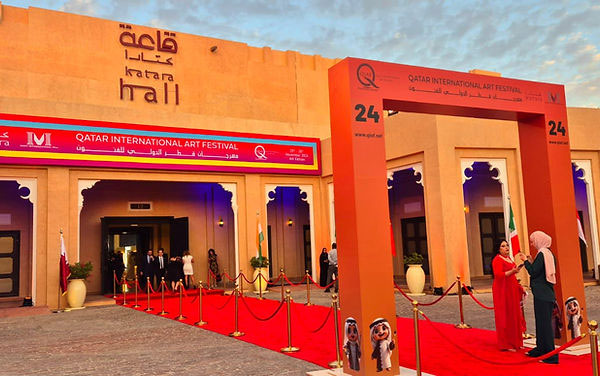
Exhibitions are a fun, exciting and effective way of showcasing an artist’s work. They are a positive gateway to making new connections with other artists, art lovers, media outlets, interested buying networks and to just enjoy connecting with like-minded people. Art exhibitions also provide fantastic travel opportunities, helping us to experience new places in the world and to engage with different cultures.
At Charter Life, we help artists to access prestigious art exhibitions within the gulf region, Europe, United States, UK and Asia. We provide full support for artists so they can maximise the benefits that showcasing their work in exhibitions can bring.
EDUCATIONAL ART
Charter Life specialise in promoting educational art, with a key focus on themes such as the environment, industry and culture. Art is an effective way to communicate important stories and messages and to help people understand and meaningfully engage with what they are looking at. Educational artwork is often used to inspire and to capture the attention of children, who are often mesmerised by detail, colours and the perceptions they gather from how they interpret what they see. The power and allure of educational-based art can be highly profound.
Environment, industry, and culture are deeply interconnected as industries rely on natural resources, shaping societies and cultural attitudes and practices. Cultural values often guide environmental preservation, while industries impact ecosystems. Sustainable practices balance these relationships, ensuring environmental health, industrial growth, and cultural identity thrive together, fostering harmony between human progress and nature’s vitality.
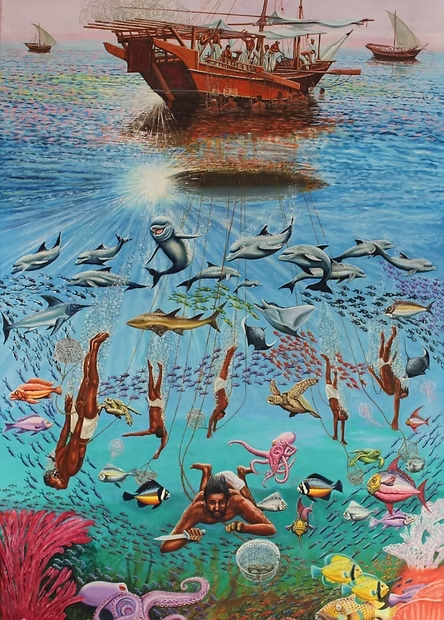
The painting on the left, titled “The Pearl Fishers” is an example of art within the cultural sphere. It was created by renowned Welsh artist, Jeffrey Phillips. It was painted in anticipation for the Qatar International Art Festival in honour as a tribute the Gulf region’s pearl fishing industry, which was the economic cornerstone of many Gulf states. The painting pays respect to all those who depended upon the pearl industry, and to recognise the dangerous work that the industry’s workers had to endure during their quest to collect the pearls from the sea.
INCREDIBLE WATER CYCLE
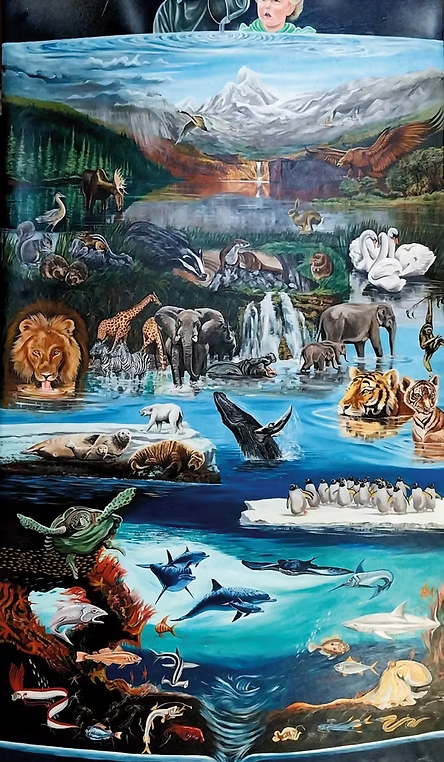
The “Incredible Water Cycle” was originally created to be used as an environmental, educational resource. It has been designed to tell a visual story of the water cycle, and is acts as an example of how humans.
At the top of the painting there are two children where a young girl is watching as the young boy pours water from a jug. The water runs into the cloud formations and from the clouds, rain is depicted with the dark and light areas of the clouds. Forming streams, the water trickles its way down the diverse ecosystems of the mountains and hills until becoming a river of fresh water. All along its course there is an abundance of life all of which rely on clean fresh water for survival. The fresh water course opens up to represent
our global continents, the biodiversity and the wild life that lives within our ecosystems.
From the fresh water scenes, we then encounter salt water and the abundance of creatures that live in this environment, all relying on clean and unpolluted water for survival. The scene goes deeper and deeper into the oceans and seas until eventually being drawn down to a whirlpool in the abyss of the ocean. The swirling water of the whirlpool then becomes a flow of water and returns to the jug from where it came from at the start of the painting.
The simple question that should always be asked is: what would happen if a This painting was originally created to be used as an environmental, educational resource. It has been designed to tell a visual story of the water cycle.
It serves as an example of how humans and the world’s natural environments are all interconnected, and how we have a responsibility to care for one another.
INDUSTRIAL ART
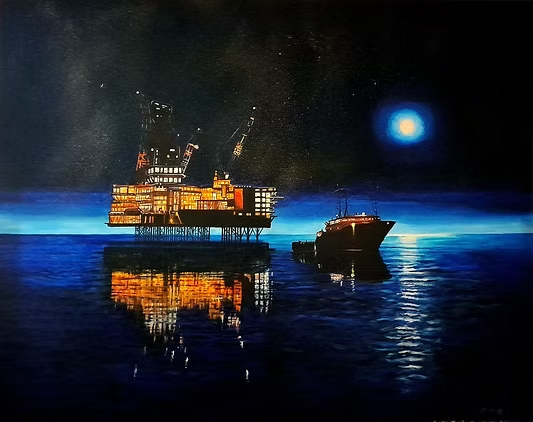
Another speciality subject is industrial art. We pay an enormous level of respect and gratitude towards the industries that have enabled the human race to excel and develop the quality of life that we have, and the advancements they have upon the evolution of our civil societies. The advancements that humanity have made in a very short space of time is nothing short of incredible, and we thank the developers of technological advancements and the workers who have made the standard of modern day living what it is today. What inspires us the most is that despite such advancements, we continue to look forward and build upon our achievements, in a remarkable pursuit of constant evolutionary progression.